

Aviation Vapor Management & Emissions Control Solutions
Vapor Management for Aviation
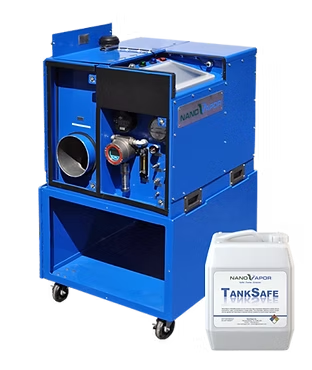
How Vapor Suppression Works
Why Aviation Tanks Are Especially Dangerous
Aircraft fuel tanks combine several factors that make conventional degassing methods inadequate: extreme geometric complexity, very low LEL thresholds for aviation fuels, confined access points, and the precision requirements of aviation maintenance standards.
Any spark from cutting tools or equipment during maintenance can trigger an explosion if vapors are not fully suppressed — conventional ventilation alone cannot guarantee a safe environment.
How NanoVapor Solves It
NanoVapor's proprietary agent is introduced into the fuel tank and disperses throughout every internal cavity — including areas that ventilation cannot reach. Within a short treatment period, VOC concentrations are driven below the LEL across the entire tank volume.
Maintenance crews can begin work immediately after treatment with no risk of explosion from residual vapors.
Featured in Aviation Week — "Vaporize Your Downtime"NanoVapor Vapor Suppression Technology
Aviation applications use NanoVapor's patented Vapor Suppression system — the same technology Shell has named as Best Practice for underground storage tanks, now applied to the demanding standards of aviation maintenance.
Aviation Fuel Tank
Degassing Solutions
Tell us about your aircraft type and maintenance requirements — our team will advise on the right approach.